
GenNext Leadership Team

GenNext brings together the scientists who created protein footprinting with the business leaders who know how to bring new technologies to market.
Our team has founded companies, taken them public, and guided them through acquisitions. Our scientific advisors developed the methods behind the Fox platform. Our executive team, scientific advisors, and board give us the scientific depth and commercial experience needed to make radical protein footprinting a standard tool in biopharmaceutical structural research.
MANAGEMENT TEAM
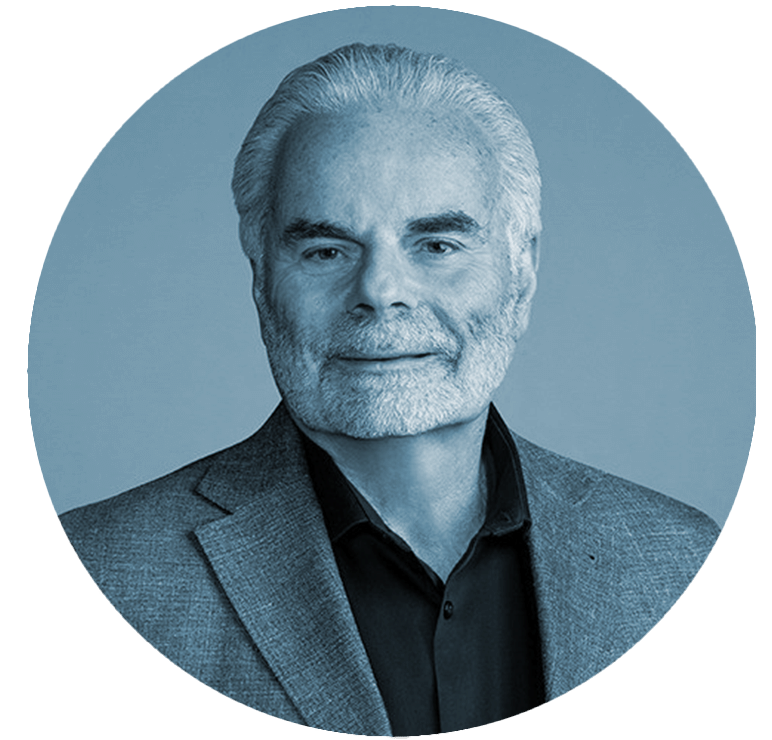
Scot R. Weinberger
Founder, CEO & Chairman
40+ years in life science tools. Serial entrepreneur; 5 companies, 30+ patents. Exits to Thermo Fisher, Agilent. Ciphergen to IPO.
Scot Weinberger has spent more than 40 years doing what GenNext does: taking breakthrough analytical science and turning it into commercial products that researchers rely on. A serial entrepreneur, he has been on the founding teams of six life science tools companies. He helped build Ciphergen Biosystems through its IPO and led companies to successful exits with Thermo Fisher Scientific and Agilent Technologies.
Scot is also a hands-on technologist, which is rare among CEOs. He holds more than 30 U.S. patents in liquid chromatography, UV-visible spectrometry, capillary electrophoresis, time-of-flight and tandem mass spectrometry, MALDI, protein biochips, and label-free biosensors. He has authored more than 30 scientific publications and 6 book chapters, with over 2,000 citations in translational medicine, life science research, and technology development. That depth lets him guide the Fox platform’s engineering and speak credibly with the scientists who use it.
His companies span the technologies that converge in GenNext’s products. He was on the founding teams of Linear Instruments, Linear Scientific, Biomolecular Separations, and Ciphergen Biosystems, and he later founded Molecular Sensing. He founded GenNext Technologies to bring radical protein footprinting out of specialized facilities and into everyday use in biopharmaceutical labs.
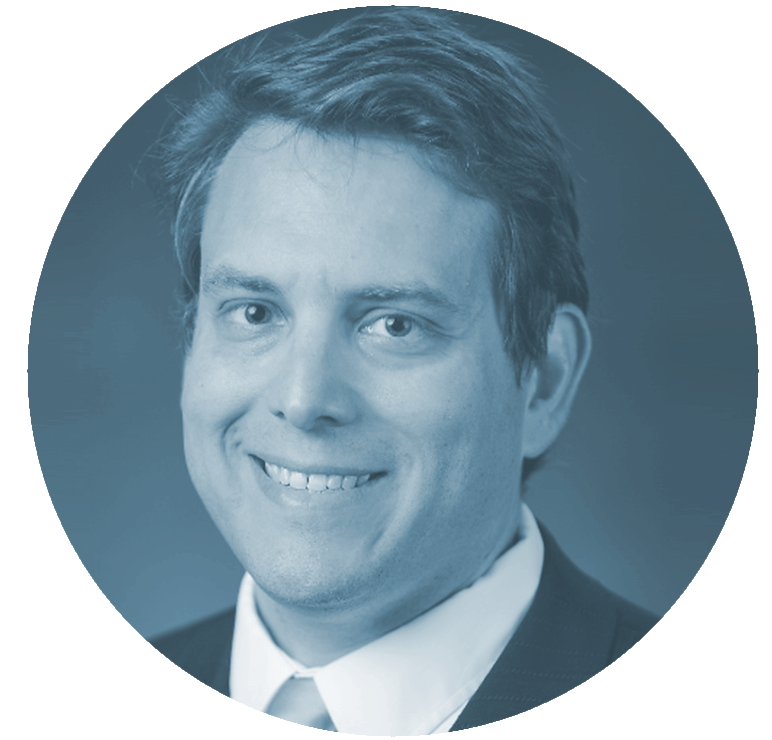
Joshua Sharp, PhD
Chief Technology Officer
Professor, University of Mississippi. Global authority on protein footprinting. 45+ publications. Developed foundational techniques behind Fox technology.
Dr. Joshua Sharp is one of the world’s leading experts in hydroxyl radical protein footprinting (HRPF). His methods form the scientific foundation of GenNext’s Fox platform. He published the first benchtop methods for radical protein footprinting, including the first use of UV photolysis of hydrogen peroxide to generate hydroxyl radicals. That approach turned HRPF from a technique that required synchrotron or specialized laser facilities into one that individual labs could run. Over more than two decades, he has authored over 45 peer-reviewed articles on HRPF methods, fundamentals, and applications.
Dr. Sharp has applied HRPF to the questions that matter most in biopharmaceutical development: formulation, biosimilarity, aggregation, epitope mapping, and protein–ligand interactions. He is a frequent invited speaker to both academic and industry audiences.
He is the Triplett-Behrakis Professor of Pharmacology at the University of Mississippi, where he is also Joint Professor of Chemistry and Biochemistry and Director of the Glycoscience Center of Research Excellence. He earned his PhD through the joint program of Oak Ridge National Laboratory and the University of Tennessee and completed postdoctoral training in structural biology at the National Institute of Environmental Health Sciences.

Bridget Fenker
Director of Marketing
Brand builder: 10x Genomics, Synthego, Ciphergen, Thermo Fisher, Applied Biosystems. Expert at launching new technology into life science research markets.
Bridget Fenker has spent decades launching novel life science technologies and building the brands behind them. At GenNext, she leads brand, marketing strategy, and market development for the Fox platform, positioning radical protein footprinting as an essential tool for biopharmaceutical development.
Before joining GenNext, Bridget held senior marketing roles at companies that created entirely new technology categories. At Ciphergen Biosystems, she helped bring ProteinChip technology to market. At 10x Genomics, she helped launch single-cell analysis, and at Synthego, she launched gene editing technologies. As Principal of Marketing on Demand for Life Sciences (MOD.LS), she built launch strategies and brands for companies ranging from emerging startups such as QuantaLife, Parabase Genomics, Scipio Biosciences, and CellPly to industry leaders including Thermo Fisher Scientific and BD Biosciences.
Earlier in her career, Bridget held senior marketing, communications, and field marketing roles at Agilent Technologies, Applied Biosystems, and Eksigent Technologies. That experience gives her deep familiarity with introducing breakthrough, disruptive technologies to the research market.

Robert Egan
Director, Software R&D
Decades in analytical instrumentation software. Built data systems for mass spec, diagnostics, and genomics platforms.
Robert Egan has more than 30 years of experience building the software that turns analytical instruments into usable tools for scientists. At GenNext, he leads software engineering and development for the Fox platform, including the data systems that take footprinting results from raw mass spectrometry data to structural insight.
Bob’s career has followed the major analytical technologies used in life science research. He has developed software for HPLC and capillary electrophoresis, LC-MS, MALDI-TOF, SELDI-TOF, and FTICR mass spectrometry, label-free biosensors based on waveguide and interferometry detection, and clinical diagnostics. Most recently, he has focused on higher-order structure (HOS) analysis, the core application of GenNext’s products.
That range gives him deep knowledge of both instrument control and data analysis. He understands how researchers actually work with their data, and he builds software that makes complex measurements fast, reliable, and easy to interpret.
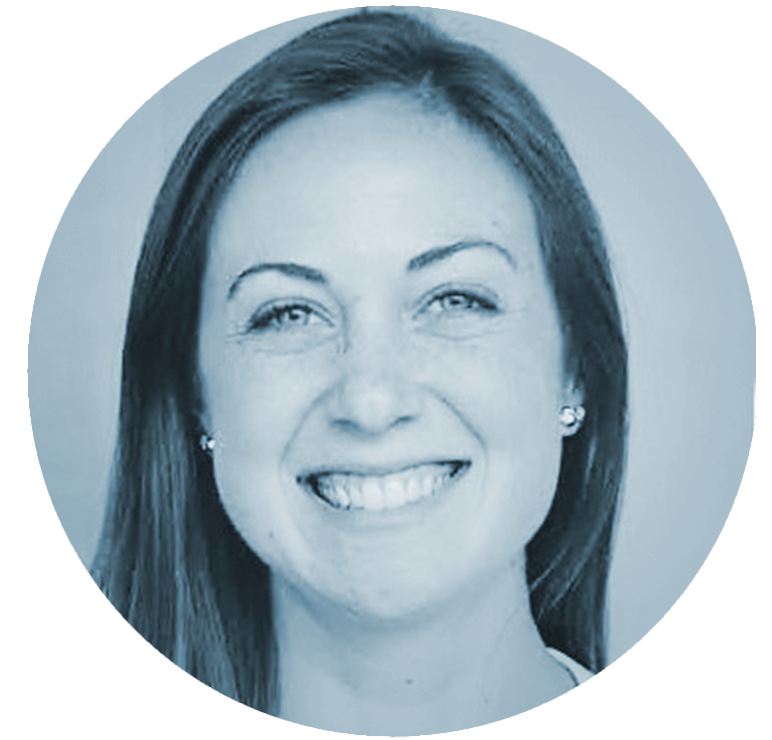
Emily Chea, PhD
Contract Research Manager
Structural proteomics specialist. Developed next-gen in-cell footprinting methods. Expert in FRPF methods. Pre/post-sale technical support.
Dr. Emily Chea is a structural proteomics scientist who helped develop the in-cell footprinting methods now extending HRPF beyond purified proteins. As GenNext’s Applied Research Manager, she leads application development for the Fox platform and works directly with customers, from designing studies before a purchase to helping labs get the most from their systems afterward.
Emily earned her PhD at the University of Maryland, Baltimore, in the lab of Professor Lisa Jones, a pioneer of in-cell FPOP. Her doctoral research made significant contributions to in-cell FPOP (IC-FPOP), which uses LC-MS to study protein structure across the entire proteome inside living cells. That work focused on characterizing how drugs engage their targets in their native cellular environment, a question at the center of modern drug discovery.
Her hands-on expertise in both footprinting chemistry and LC-MS proteomics means customers get support from a scientist who has developed these methods herself, not just used them.
SCIENTIFIC ADVISORY BOARD
Joshua Sharp, PhD
SAB Chairperson
Professor, University of Mississippi. Global authority on protein footprinting. 45+ publications. Developed foundational techniques behind Fox technology.
Dr. Joshua Sharp is one of the world’s leading experts in hydroxyl radical protein footprinting (HRPF). His methods form the scientific foundation of GenNext’s Fox platform. He published the first benchtop methods for radical protein footprinting, including the first use of UV photolysis of hydrogen peroxide to generate hydroxyl radicals. That approach turned HRPF from a technique that required synchrotron or specialized laser facilities into one that individual labs could run. Over more than two decades, he has authored over 45 peer-reviewed articles on HRPF methods, fundamentals, and applications.
Dr. Sharp has applied HRPF to the questions that matter most in biopharmaceutical development: formulation, biosimilarity, aggregation, epitope mapping, and protein–ligand interactions. He is a frequent invited speaker to both academic and industry audiences.
He is the Triplett-Behrakis Professor of Pharmacology at the University of Mississippi, where he is also Joint Professor of Chemistry and Biochemistry and Director of the Glycoscience Center of Research Excellence. He earned his PhD through the joint program of Oak Ridge National Laboratory and the University of Tennessee and completed postdoctoral training in structural biology at the National Institute of Environmental Health Sciences.
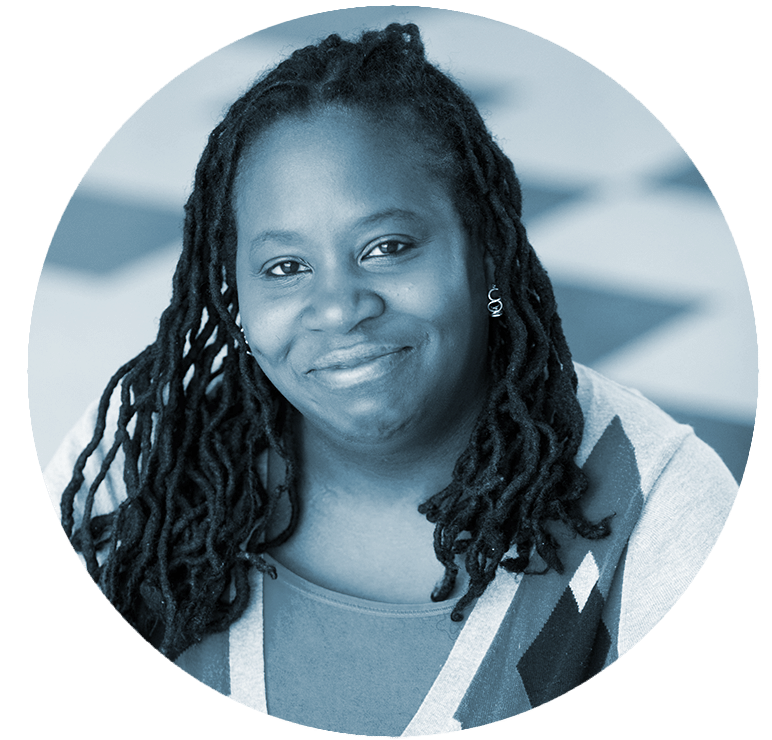
Lisa Jones, PhD
UC San Diego
Professor and pioneer of in-cell and whole-organism FPOP. Extending footprinting to membrane proteins, the largest class of drug targets. Trained with FPOP inventor Michael Gross.
Professor Lisa Jones has pioneered the field of in-cell and whole-organism FPOP. In the Department of Chemistry and Biochemistry at UCSD, the Jones Lab is a structural proteomics group that uses biochemical, analytical, and biophysical approaches to study protein interactions important in biological processes. Their research focuses on using protein footprinting methods coupled with mass spectrometry to identify these interactions. A major focus of their lab is extending FPOP as an in-cell method for monitoring proteins in their native cellular environment. This method would be especially useful for membrane proteins, the largest class of drug targets, which are challenging to study in vitro owing to the difficulty of purifying these proteins. The Jones lab has further expanded FPOP for in vivo analysis in C. elegans, an animal model for human disease.
Dr. Jones received her PhD at Georgia State University studying the affinity effectors of calcium binding proteins. She was a postdoctoral associate in the lab of Dr. Peter Prevelige at the University of Alabama-Birmingham where she used hydrogen deuterium exchange mass spectrometry to study protein interactions in virus capsids. Dr. Jones was a postdoctoral associate in the lab of Dr. Michael Gross at Washington University in St. Louis where she expanded the use of the FPOP method for studying biologics.

Mark Chance, PhD
Case Western Reserve University
Vice Dean for Research, CWRU. Inventor of hydroxyl radical protein footprinting (HRPF); landmark 1999 Analytical Chemistry paper. 300+ papers & 15,000+ citations.
Professor Chance is an internationally recognized expert in proteomics and structural biology who has built multiple science and training programs over a 30-year career in academia. He has published over 300 papers with over 15,000 citations. He is currently Vice Dean for Research and holds the titles of Distinguished University Professor, the Charles W. and Iona A. Mathias Professor of Cancer Research, as well as Professor appointments in the Departments of Nutrition, Genetics & Genome Sciences, and General Medical Sciences at the School of Medicine of Case Western Reserve University (CWRU). He is the founding director (since 2005) of the Center for Proteomics and Bioinformatics and founding director of the Center for Synchrotron Biosciences (since 1994). Prior to his appointment at CWRU, Dr. Chance was professor of Physiology and Biophysics at Albert Einstein College of Medicine.
At Einstein, Dr. Chance developed a synchrotron-based radiolysis and “footprinting” approach to define the folding mechanism of the Tetrahymena ribozyme on millisecond timescales, revealing fundamental principles of RNA packing. Subsequently, Dr. Chance envisioned an approach to develop protein structure assessment using OH-radical footprinting technology.
With the demonstration of mass spectrometry (MS) detection of OH-radical modifications in peptides in a landmark paper in Analytical Chemistry (1999), the field of Hydroxyl Radical Protein Footprinting (HRPF) was born.

Michael Gross, PhD
Washington University in St. Louis
Inventor of FPOP. Founding editor, Journal of the American Society for Mass Spectrometry. Winner of the ACS Field and Franklin Award and JJ Thomson Medal.
Professor Michael Gross originated the process of Fast Photo-oxidation of Proteins (FPOP) Hydroxyl Radical Protein Footprinting (HRPF).
At Washington University in St. Louis, the Gross research group focuses mainly on the development of mass spectrometry (MS) in biophysics and structural proteomics, specifically to probe protein-ligand interaction interfaces, affinities, aggregation, and folding/unfolding. The work includes both instrument and method development and application to important proteins and protein complexes. His research group also employs specific chemical reagents to footprint proteins and determines their interfaces and orientations in complex biological settings, hydrogen/deuterium exchange, and native MS.
Professor Gross received his PhD at the University of Minnesota under the tutelage of E.A. Hill and was a postdoctoral fellow with E.R. Thornton at U of Penn and then with F.W. McLafferty at Purdue. He began his independent career in 1968 as Assistant Professor at the University of Nebraska-Lincoln where he directed an NSF Center for Mass Spectrometry. In 1994, he joined Washington University in St. Louis and assumed the role of PI of an NIH Research Resource in Mass Spectrometry.
Professor Gross is a highly cited chemist who has won the American Chemical Society Field and Franklin Award, the ACS Midwest Award, and the ACS Analytical Chemistry Award. He was awarded the JJ Thomson Medal and the Eastern Analytical Symposium Award for Distinguished Contributions to Mass Spectrometry and the Commonwealth of Massachusetts Pioneer Award for “In Search of the Health Consequences of Dioxin in Our Environment.”
He was honored by the Washington University Graduate Student Senate with the Outstanding Mentor Award in 2001. He is founding editor of the Journal of the American Society for Mass Spectrometry, coeditor of the Encyclopedia of Mass Spectrometry (published by Elsevier), and was editor until 1990 of Mass Spectrometry Reviews. He has served on numerous editorial boards and as a consultant to industry and academic laboratories.
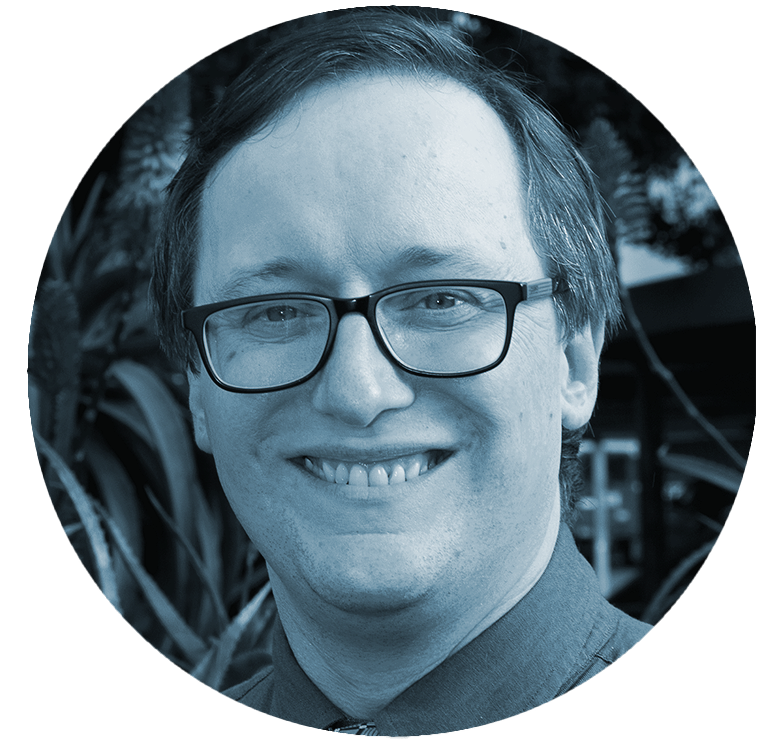
David Tabb, PhD
Institut Pasteur
Leading bioinformatician and educator in protein identification via mass spec with ~140 publications. Teaches spectral identification algorithms at ASMS, IMSC, and HUPO
Since completing his PhD in 2003, Professor Tabb has invested considerable effort in proteomics technology assessment, bioinformatics, and biostatistics education, quality control for mass spectrometry, and non-model organism biology.
He has authored approximately 140 peer-reviewed articles and book chapters. Since 2015, Prof. Tabb has become a globetrotter, first spending five years in South Africa at Stellenbosch University and two years in France.
A key principle that has animated Prof. Tabb’s career is the conviction that researchers must understand the fundamental algorithms of the software they use for their research data. The algorithms that proteomics researchers use to identify tandem mass spectra to peptide and proteoform sequences are the most common topic for his teaching. During 2022, he will teach short courses on this subject for the American Society of Mass Spectrometry conference, the International Mass Spectrometry Conference, and the Human Proteomics Organization World Congress.
With a strong background in detecting post-translational modifications and a fascination with protein structure models, Prof. Tabb is excited about the possibilities of HRPF. His experience of proteogenomics has sought to understand the perturbation of protein structures resulting from replacing one amino acid with another. HRPF is a promising lens to examine structure via mass spectrometry.
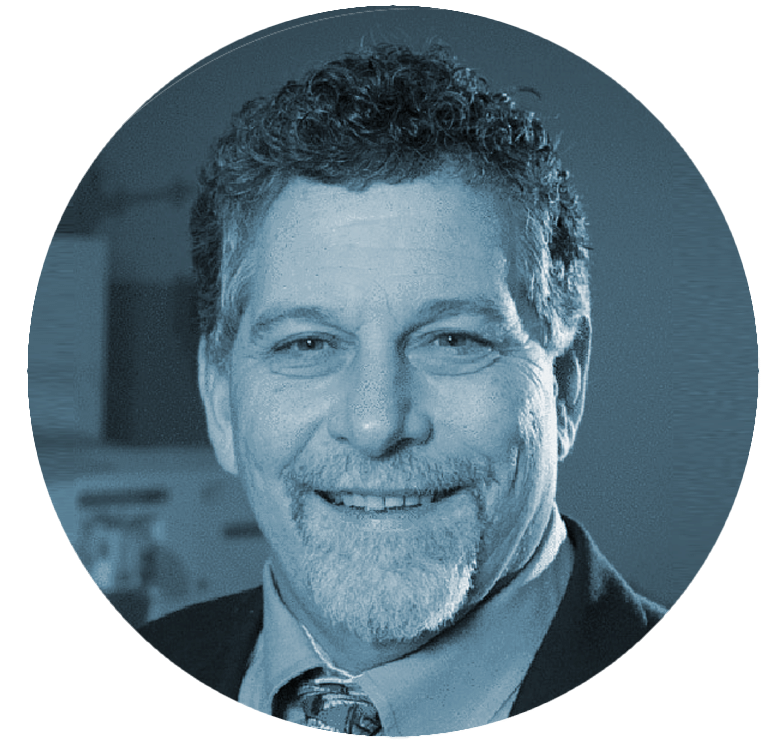
Ronald Orlando, PhD
University of Georgia
Professor with 40+ years in mass spectrometry; 150+ publications. Founded three startups, including BioInquire (acquired by NuSep). Editor-in-Chief, Journal of Biomolecular Techniques.
Professor Orlando has more than 40 years of experience with mass spectrometry, over 30 of these years focused on the identification/characterization of proteins and their post-translational modifications with MS. He currently directs the mass spectrometry research laboratory at the Complex Carbohydrate Research Center (CCRC).
Dr. Orlando has co-authored over 150 publications in peer-reviewed journals, given over 100 invited lectures at various conferences, and served on over 45 NIH review panels. Ron has won numerous awards including being named a NATO Advanced Study Fellow, a Leader of Tomorrow by Spectroscopy magazine, and has won the Outstanding Association of Biomolecular Resource Facilities (ABRF) Presentation Award twice. He has organized and taught short courses on the Analysis of Glycoproteins by Mass Spectrometry at meetings of the American Society for Mass Spectrometry (ASMS) and International Symposium and Exhibit on the Separation of Proteins, Peptides & Polynucleotides (ISPPP). Professor Orlando is the founder and past chair of the ABRF Glycoprotein Research Group and is frequently invited to give lectures on his mass spectrometry-based research. Further, Professor Orlando is the Editor-in-Chief of the Journal of Biomolecular Techniques.
Professor Orlando has firsthand experience with small start-up companies, having founded three spin-off/start-up companies: BioInquire in 2007, GlycoScientific in 2009, and PhotoChem Technologies in 2012. BioInquire became profitable in 2008, and in 2010 it was acquired by NuSep (a publicly-traded, Australian company). Professor Orlando was given the award of Entrepreneur of the Year from the Georgia BioBusiness Center because of his critical role in BioInquire’s success. Moreover, he has also been nominated to be a Senior Member of the National Academy of Inventors by Innovation Gateway.
BOARD OF DIRECTORS

John Grant, PhD
Non-Executive Director
30+ years at 3M in strategy and corporate development. Led 20+ M&A deals up to $1.1B. Co-CEO, Senphonix. NACD-certified director and active angel investor.
Dr. Grant is the Founder and CEO of Lemnos Advisory, LLC, which provides insights into strategic topics and corporate development for operating companies, transaction advisors, investment banks, and venture investors. He also holds various director and advisor positions in technology-intensive startups and non-profit BODs, mentors and judges for venture accelerators, and invests with multiple angel groups.
Previously, Dr. Grant led global strategy and external business development in several 3M divisions within the Healthcare and Industrial Business Groups. He led and participated in 25 acquisitions, divestitures, and minority corporate venture investments. Earlier, he held managerial positions in product and technology development, quality management, strategic marketing, and business management.
Dr. Grant earned an MBA from the Carlson School of Management at the University of Minnesota and a PhD from Northwestern University. He is a member of the National Association of Corporate Directors and has earned the NACD Certified Director designation.
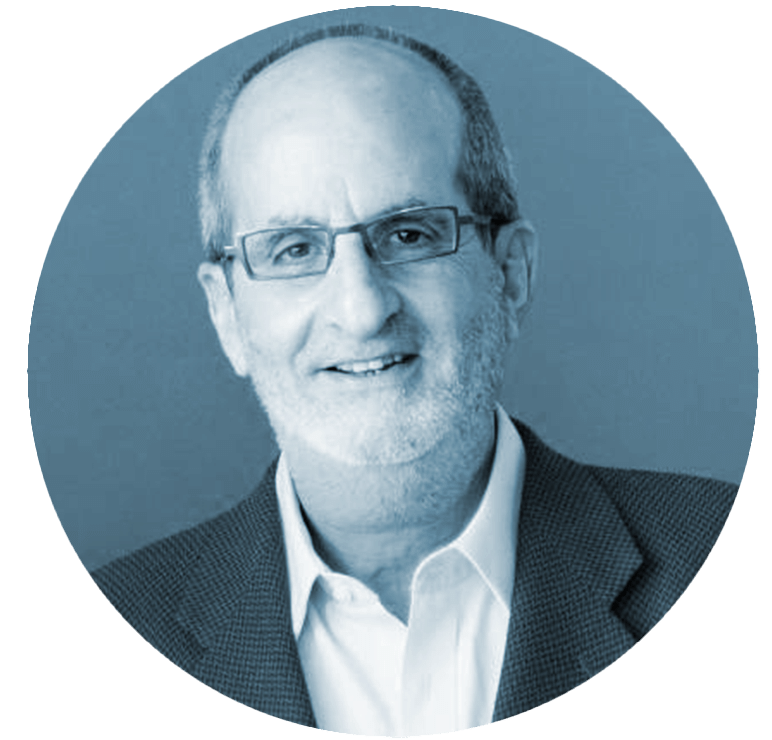
David Weber
Non-Executive Director
Two-time Chief Commercial Officer: Affymetrix (exit to Thermo Fisher), Maravai (IPO). Ampersand Capital advisor, Leinco board member, founder of Weber & Associates.
David Weber has spent nearly 50 years building commercial organizations that take life science technologies from early adoption to market leadership. He served as Executive Vice President and Chief Commercial Officer of Affymetrix through its acquisition by Thermo Fisher Scientific, and held the same role at Maravai LifeSciences through its IPO. That experience across both a strategic exit and a public offering gives GenNext direct guidance on scaling a platform company and building long-term value.
Earlier in his career, David held commercial leadership roles at Pharmacia Biotech, Amersham Biosciences, GE Healthcare, Stratagene, Chemdex, and Eksigent Technologies. That background spans the protein research, separations, and mass spectrometry markets that GenNext serves today.
David is an Executive Advisor to Ampersand Capital Partners and a director of Ampersand portfolio company Leinco Technologies, a specialty manufacturer of discovery research products and a provider of CDMO services. He is the founder and President of Weber & Associates, a life science consulting firm, and advises several life science tools companies on commercial strategy. He also serves on the board of SAMPS, a nonprofit for life science sales and marketing professionals.
David joined the GenNext board in July 2025. He holds a BS in Biochemistry from Rutgers University, where he was a Henry Rutgers Scholar and a member of Phi Beta Kappa.

Darlene Solomon, PhD
Non-Executive Director
Agilent leadership ~40 years, with 20 years as CTO/SVP for Agilent Research Labs and venture investments. Board member Masimo, Novanta, Materion. Vice-chair, National Academies.
Dr. Solomon brings nearly four decades of experience shaping technology strategy for the analytical instrument and life science tools industry. She spent 39 years at Hewlett-Packard and Agilent Technologies, including nearly 20 years as Senior Vice President and Chief Technology Officer under all three of Agilent’s CEOs. In that role, she led Agilent Research Laboratories and worked with Agilent’s businesses to set R&D priorities across life sciences, diagnostics, and applied chemical markets, including the mass spectrometry and separations technologies central to biopharmaceutical characterization.
Her experience is closely matched to GenNext’s model of turning academic science into commercial products. As CTO, she ran Agilent’s programs in university relations, external research, and venture investment, including partnerships with emerging startups. Earlier, she started her career as a research scientist at HP Laboratories, became R&D manager of its Chemical and Biological Systems Department, and led R&D for Agilent’s Life Sciences and Chemical Analysis business after the 1999 spin-off.
Dr. Solomon is an independent director of Masimo, Novanta, and Materion, and advises early-stage companies and venture investors. Darlene is vice-chair for the National Academies of Science, Engineering, and Medicine’s new Standing Committee on Transformational Science and Technology in Support of the DOD. She was elected to the National Academy of Engineering in 2017. She holds a BS in chemistry from Stanford University and a PhD in bioinorganic chemistry from MIT.
Joshua Sharp, PhD
Executive Director
Professor, University of Mississippi. Global authority on protein footprinting. 45+ publications. Developed foundational techniques behind Fox technology.
Dr. Joshua Sharp is one of the world’s leading experts in hydroxyl radical protein footprinting (HRPF). His methods form the scientific foundation of GenNext’s Fox platform. He published the first benchtop methods for radical protein footprinting, including the first use of UV photolysis of hydrogen peroxide to generate hydroxyl radicals. That approach turned HRPF from a technique that required synchrotron or specialized laser facilities into one that individual labs could run. Over more than two decades, he has authored over 45 peer-reviewed articles on HRPF methods, fundamentals, and applications.
Dr. Sharp has applied HRPF to the questions that matter most in biopharmaceutical development: formulation, biosimilarity, aggregation, epitope mapping, and protein–ligand interactions. He is a frequent invited speaker to both academic and industry audiences.
He is the Triplett-Behrakis Professor of Pharmacology at the University of Mississippi, where he is also Joint Professor of Chemistry and Biochemistry and Director of the Glycoscience Center of Research Excellence. He earned his PhD through the joint program of Oak Ridge National Laboratory and the University of Tennessee and completed postdoctoral training in structural biology at the National Institute of Environmental Health Sciences.
Scot R. Weinberger
Chairman
40+ years in life science tools. Serial entrepreneur; 5 companies, 30+ patents. Exits to Thermo Fisher, Agilent. Ciphergen to IPO.
Scot Weinberger has spent more than 40 years doing what GenNext does: taking breakthrough analytical science and turning it into commercial products that researchers rely on. A serial entrepreneur, he has been on the founding teams of six life science tools companies. He helped build Ciphergen Biosystems through its IPO and led companies to successful exits with Thermo Fisher Scientific and Agilent Technologies.
Scot is also a hands-on technologist, which is rare among CEOs. He holds more than 30 U.S. patents in liquid chromatography, UV-visible spectrometry, capillary electrophoresis, time-of-flight and tandem mass spectrometry, MALDI, protein biochips, and label-free biosensors. He has authored more than 30 scientific publications and 6 book chapters, with over 2,000 citations in translational medicine, life science research, and technology development. That depth lets him guide the Fox platform’s engineering and speak credibly with the scientists who use it.
His companies span the technologies that converge in GenNext’s products. He was on the founding teams of Linear Instruments, Linear Scientific, Biomolecular Separations, and Ciphergen Biosystems, and he later founded Molecular Sensing. He founded GenNext Technologies to bring radical protein footprinting out of specialized facilities and into everyday use in biopharmaceutical labs.